

As a supplier of hydraulic pump shafts, I've witnessed firsthand the critical role these components play in the overall efficiency of hydraulic systems. A well - functioning hydraulic pump shaft can significantly enhance the performance of machinery, reduce energy consumption, and minimize maintenance costs. In this blog, I'll share some practical strategies on how to improve the efficiency of a hydraulic pump shaft.
1. Material Selection
The choice of material for the hydraulic pump shaft is fundamental to its efficiency. High - quality materials with excellent mechanical properties can withstand the high stresses and pressures within the hydraulic system. For instance, alloy steels are commonly used due to their high strength, toughness, and wear resistance. They can handle the dynamic loads and torques generated during the operation of the hydraulic pump.
Stainless steel is another option, especially in applications where corrosion resistance is crucial. In environments with high humidity or exposure to chemicals, a stainless - steel shaft can prevent rust and degradation, ensuring long - term reliability. By selecting the right material, we can reduce the risk of shaft failure and improve the overall efficiency of the pump.
2. Precision Manufacturing
Precision manufacturing is key to the efficient operation of a hydraulic pump shaft. The shaft must be machined to tight tolerances to ensure proper fit and alignment within the pump. Any deviation from the specified dimensions can lead to increased friction, vibration, and energy loss.
Advanced manufacturing techniques such as CNC machining can produce shafts with high precision. This process allows for accurate control of the shaft's diameter, length, and surface finish. A smooth surface finish reduces friction between the shaft and other components, such as bearings and seals. It also helps to prevent the accumulation of debris and contaminants, which can cause premature wear.


3. Lubrication
Proper lubrication is essential for reducing friction and wear in a hydraulic pump shaft. A well - lubricated shaft can operate more smoothly, with less energy consumption. There are different types of lubricants available, and the choice depends on the specific application and operating conditions.
For example, in high - temperature applications, synthetic lubricants with high thermal stability are preferred. These lubricants can maintain their viscosity and lubricating properties even at elevated temperatures. In addition to selecting the right lubricant, it's important to ensure proper lubricant application. Regular lubricant checks and replacements are necessary to keep the shaft in optimal condition.
4. Balancing
Unbalanced shafts can cause excessive vibration, which not only reduces the efficiency of the hydraulic pump but also leads to premature wear of components. Balancing the shaft involves adjusting its mass distribution to minimize vibration.
Dynamic balancing is a common method used to achieve this. During dynamic balancing, the shaft is rotated at high speeds, and sensors measure the vibration. Based on the measurements, weights are added or removed from specific locations on the shaft to correct the imbalance. This process can significantly improve the smooth operation of the pump and extend the lifespan of the shaft.
5. Maintenance and Inspection
Regular maintenance and inspection are crucial for ensuring the long - term efficiency of a hydraulic pump shaft. Inspections should include checking for signs of wear, damage, and misalignment. Any issues should be addressed promptly to prevent further damage.
For example, if the shaft shows signs of wear, it may be necessary to replace the worn parts or perform re - machining. Regularly cleaning the shaft and the surrounding components can also prevent the accumulation of dirt and debris, which can affect the shaft's performance.
6. Compatibility with Other Components
The hydraulic pump shaft must be compatible with other components in the hydraulic system, such as bearings, seals, and couplings. Incompatible components can cause increased friction, leakage, and reduced efficiency.
When selecting a shaft, it's important to consider the specifications of the other components. For example, the shaft diameter and keyway dimensions should match those of the bearings and couplings. Ensuring proper compatibility can help to optimize the performance of the entire hydraulic system.
Product Offerings
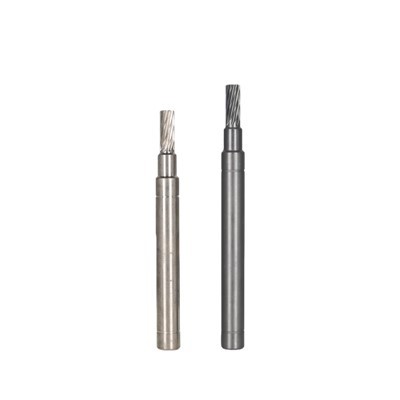
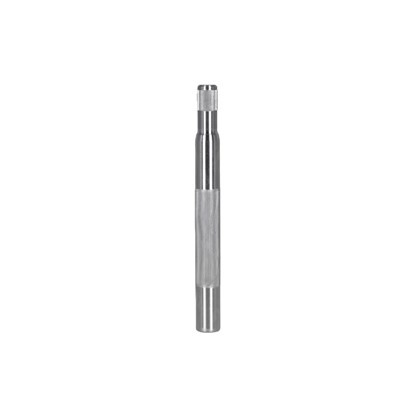
As a hydraulic pump shaft supplier, we offer a wide range of products to meet different customer needs. Our Deep Well Pump Shaft is designed for deep - well applications, where the shaft needs to withstand high pressures and long - term operation. It is made of high - quality materials and precision - machined to ensure reliable performance.
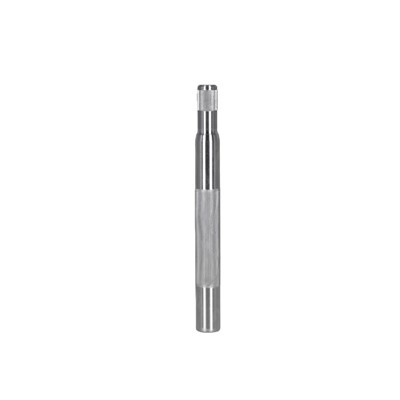
Our Shaft Pressure Washer Pump is suitable for pressure washer applications. It is engineered to provide high - speed rotation and efficient power transmission, ensuring effective cleaning.
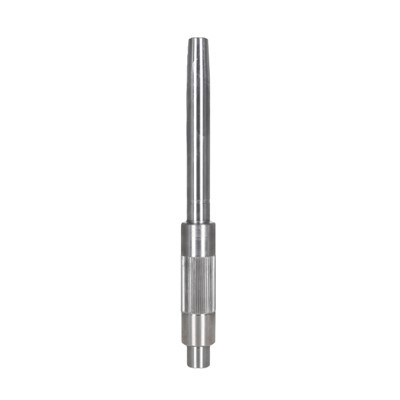
The Submersible Pump Shaft is designed for submersible pumps, which operate underwater. It has excellent corrosion resistance and can withstand the harsh conditions of submersible environments.
Conclusion
Improving the efficiency of a hydraulic pump shaft involves a combination of factors, including material selection, precision manufacturing, lubrication, balancing, maintenance, and component compatibility. By implementing these strategies, we can enhance the performance of hydraulic systems, reduce energy consumption, and extend the lifespan of the pump shaft.
If you are interested in our hydraulic pump shafts or have any questions about improving the efficiency of your hydraulic system, we welcome you to contact us for a procurement discussion. We are committed to providing high - quality products and professional technical support to meet your needs.
References
- "Hydraulic System Design and Maintenance Handbook"
- "Mechanical Engineering Design" by Joseph E. Shigley and Charles R. Mischke
- "Materials Science and Engineering: An Introduction" by William D. Callister, Jr.