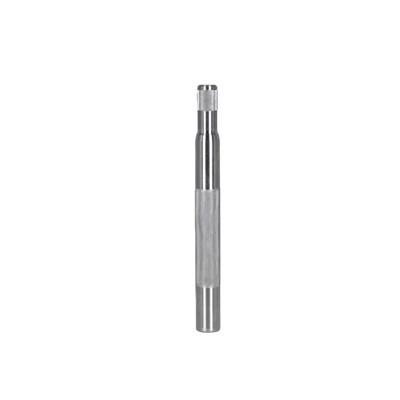


Hey there! As a supplier of gate valve shafts, I've seen firsthand how crucial it is to have a gate valve shaft with a great dynamic response. In this blog, I'll share some tips on how to improve the dynamic response of a gate valve shaft.
Understanding the Basics of Dynamic Response
Before we dive into the ways to improve the dynamic response, let's quickly understand what dynamic response means in the context of a gate valve shaft. Dynamic response refers to how quickly and accurately the gate valve shaft can respond to changes in the operating conditions, such as pressure, flow rate, or temperature. A good dynamic response ensures that the valve can open and close rapidly and precisely, which is essential for efficient and safe operation.
Factors Affecting the Dynamic Response
Several factors can influence the dynamic response of a gate valve shaft. Let's take a look at some of the key ones:


1. Material Selection
The material of the gate valve shaft plays a significant role in its dynamic response. High - strength and low - friction materials can enhance the shaft's ability to move smoothly and quickly. For example, stainless steel is a popular choice as it offers good corrosion resistance and mechanical properties. Some advanced alloys can also provide better performance in terms of reducing friction and wear, which directly impacts the dynamic response.
2. Design and Geometry
The design and geometry of the gate valve shaft are crucial. A well - designed shaft should have a proper diameter, length, and shape. A shaft with an appropriate diameter can handle the required torque without excessive deflection, while the right length ensures that it can move freely within the valve assembly. Additionally, features like smooth surfaces and optimized cross - sections can reduce friction and improve the overall dynamic performance.
3. Lubrication
Proper lubrication is essential for a gate valve shaft. Lubricants can reduce friction between the shaft and its mating parts, such as the valve body and the packing. This allows the shaft to move more easily, improving its response time. Regular maintenance and the use of high - quality lubricants can significantly enhance the dynamic response.
4. Actuator Performance
The actuator is responsible for moving the gate valve shaft. A high - performance actuator can provide the necessary force and speed to open and close the valve quickly. The type of actuator, such as electric, pneumatic, or hydraulic, and its specifications should be carefully selected based on the requirements of the application. For instance, a pneumatic actuator can offer fast response times, which is ideal for applications where rapid valve operation is needed.
Ways to Improve the Dynamic Response
1. Upgrade the Material
As mentioned earlier, choosing the right material is crucial. Consider upgrading to a high - performance alloy or a material with better tribological properties. For example, if you're currently using a standard carbon steel shaft, switching to a stainless steel or a special alloy can reduce friction and wear, leading to a better dynamic response. You can also look into materials with self - lubricating properties, which can further improve the shaft's performance.
2. Optimize the Design
Work with a professional engineer to optimize the design of the gate valve shaft. This may involve adjusting the diameter, length, and shape of the shaft to reduce mass and inertia. A lighter shaft can move more quickly, improving the dynamic response. Additionally, incorporating features like rounded edges and smooth surfaces can minimize friction and enhance the overall performance.
3. Enhance Lubrication
Regularly lubricate the gate valve shaft using high - quality lubricants. The lubricant should be compatible with the shaft material and the operating environment. You can also consider using lubricants with additives that reduce friction and wear. For example, some lubricants contain molybdenum disulfide, which can provide excellent anti - friction properties. Make sure to follow the manufacturer's recommendations for lubrication intervals and amounts.
4. Upgrade the Actuator
If your current actuator is not providing the desired dynamic response, consider upgrading to a more powerful and responsive actuator. Electric actuators can offer precise control and fast response times, while hydraulic actuators can provide high force capabilities. Evaluate the requirements of your application and choose an actuator that can meet or exceed those requirements.
5. Regular Maintenance
Regular maintenance is key to ensuring the long - term dynamic response of the gate valve shaft. Inspect the shaft for signs of wear, corrosion, or damage. Replace any worn - out parts promptly. Check the lubrication levels and refill as needed. By keeping the valve in good condition, you can maintain its dynamic performance over time.
Our Product Offerings
As a gate valve shaft supplier, we offer a wide range of high - quality products. We have Cut Off Valve Shaft, which are designed for applications where precise flow control and quick shut - off are required. Our Check Valve Shaft are built to ensure unidirectional flow and reliable operation. And our Ball Valve Shaft are known for their smooth operation and excellent dynamic response.
Contact Us for Procurement
If you're looking to improve the dynamic response of your gate valve shafts or are in need of high - quality gate valve shafts, we're here to help. We have a team of experts who can assist you in selecting the right products for your specific needs. Whether you're in the oil and gas industry, water treatment, or any other field that requires gate valves, we can provide you with the solutions you need. Reach out to us for a detailed discussion and procurement options.
References
- Smith, J. (2020). Valve Shaft Design and Performance. Journal of Valve Technology, 15(2), 45 - 52.
- Johnson, R. (2019). Materials for Valve Shafts: A Comparative Study. Materials Science Review, 22(3), 78 - 85.
- Brown, A. (2021). Actuator Selection for Gate Valves. Industrial Valve Magazine, 18(4), 32 - 39.