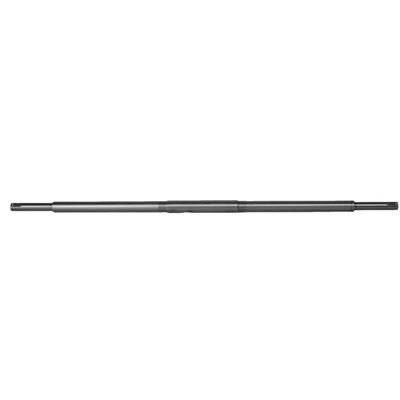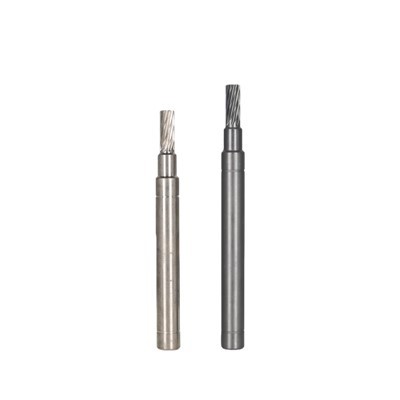


Ensuring the proper alignment of a fire pump shaft is crucial for the efficient and reliable operation of fire protection systems. As a Fire Pump Shaft supplier, I understand the significance of this process and am here to share some valuable insights on how to achieve optimal alignment.


Understanding the Importance of Shaft Alignment
Before delving into the alignment process, it's essential to grasp why proper shaft alignment is so vital. Misaligned shafts can lead to a multitude of problems, including increased vibration, premature wear and tear on bearings and seals, reduced pump efficiency, and even catastrophic pump failure. These issues not only result in costly repairs and downtime but also pose a significant risk to the safety and effectiveness of fire protection systems.
Pre - alignment Checks
Visual Inspection
The first step in ensuring proper shaft alignment is a thorough visual inspection. Examine the pump and motor for any signs of damage, such as cracks, dents, or corrosion. Check the coupling for proper installation and any signs of wear. Also, inspect the baseplate to ensure it is level and securely fastened.
Measuring the Shafts
Use precision measuring tools, such as dial indicators, to measure the diameter and straightness of the shafts. Any deviations from the specified tolerances can indicate potential alignment issues. Additionally, measure the distance between the shafts to determine the correct alignment position.
Alignment Methods
Soft - Foot Correction
Soft - foot is a common problem that can cause misalignment. It occurs when the pump or motor feet do not make proper contact with the baseplate. To correct soft - foot, use shims to adjust the height of the feet until the unit is level and all feet are in contact with the baseplate. This can be done using a dial indicator to measure the movement of the unit as the shims are adjusted.
Coupling Alignment
There are two main types of coupling alignment: angular alignment and parallel alignment.
- Angular Alignment: This refers to the alignment of the shafts in the vertical and horizontal planes. To achieve angular alignment, use a dial indicator to measure the angular deviation between the two shafts. Adjust the position of the pump or motor until the angular deviation is within the specified tolerance.
- Parallel Alignment: Parallel alignment ensures that the centerlines of the two shafts are parallel to each other. Use a dial indicator to measure the radial and axial displacement between the shafts. Adjust the position of the pump or motor to minimize these displacements.
Using Alignment Tools
Laser Alignment Systems
Laser alignment systems are highly accurate and efficient tools for shaft alignment. They use lasers to measure the alignment of the shafts and provide real - time feedback on the adjustments needed. These systems can significantly reduce the time and effort required for alignment compared to traditional methods.
Dial Indicators
Dial indicators are a more traditional but still effective tool for shaft alignment. They are used to measure the displacement of the shafts in different directions. By taking multiple measurements at different points around the coupling, you can determine the amount and direction of misalignment.
Maintenance and Monitoring
Regular Inspections
Even after achieving proper alignment, it's important to conduct regular inspections to ensure that the alignment remains within the specified tolerances. Over time, factors such as vibration, thermal expansion, and wear can cause the shafts to become misaligned. Regular inspections can help detect these issues early and prevent more serious problems.
Monitoring Vibration
Vibration monitoring is an effective way to detect misalignment and other mechanical problems. By installing vibration sensors on the pump and motor, you can monitor the vibration levels and identify any abnormal patterns. High vibration levels can indicate misalignment, bearing wear, or other issues that need to be addressed.
Conclusion
Proper alignment of a fire pump shaft is essential for the reliable and efficient operation of fire protection systems. As a Fire Pump Shaft supplier, I recommend following the steps outlined above to ensure optimal alignment. By using the right tools, conducting regular inspections, and monitoring vibration, you can minimize the risk of pump failure and ensure the safety of your fire protection system.
If you are in the market for high - quality Pump Shaft Bar or Chemical Pump Shaft, we are here to provide you with the best products and services. We have a wide range of fire pump shafts available, designed to meet the specific requirements of your fire protection system. Contact us to discuss your needs and start a procurement negotiation.
References
- "Pump Installation and Maintenance Handbook", Third Edition, by Heinz P. Bloch and Fred K. Geitner.
- "Mechanical Engineer's Handbook", Fourth Edition, by Myer Kutz.
- "Alignment Handbook", by John Piotrowski.