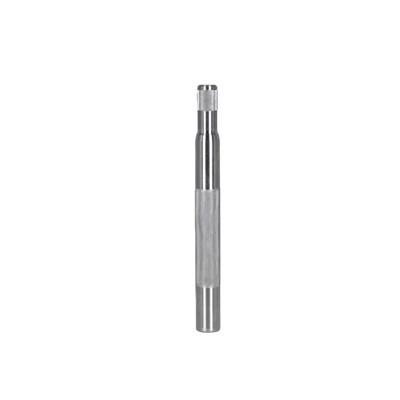


Pressure plays a crucial role in the operation of a shaft oil pump. As a shaft oil pump supplier, I've witnessed firsthand how the effects of pressure can significantly impact the performance, efficiency, and longevity of these pumps. In this blog, I'll delve into the various effects of pressure on a shaft oil pump and explain how understanding these effects can help you make informed decisions when it comes to selecting and maintaining your pump.
Hydraulic Pressure and Pump Performance
Hydraulic pressure is the force exerted by a fluid within a confined space. In a shaft oil pump, this pressure is generated by the rotation of the pump shaft, which forces the oil through the pump and into the system. The level of pressure within the pump can have a profound impact on its performance.
When the pressure is too low, the pump may not be able to deliver the required amount of oil to the system. This can lead to inadequate lubrication, increased friction, and premature wear and tear on the pump components. On the other hand, if the pressure is too high, it can cause excessive stress on the pump and its components, leading to leaks, seal failures, and even pump damage.
To ensure optimal performance, it's essential to maintain the correct pressure within the pump. This can be achieved through the use of pressure regulators, which help to control the flow of oil and maintain a consistent pressure level. Additionally, regular maintenance and inspection of the pump can help to identify and address any pressure-related issues before they become major problems.
Pressure and Pump Efficiency
In addition to affecting performance, pressure can also have a significant impact on the efficiency of a shaft oil pump. When the pressure is too high, the pump has to work harder to move the oil through the system, which can result in increased energy consumption and reduced efficiency. Conversely, when the pressure is too low, the pump may not be able to deliver the required amount of oil, which can also lead to reduced efficiency.
To maximize the efficiency of a shaft oil pump, it's important to find the optimal pressure level for the specific application. This can be determined through careful testing and analysis, taking into account factors such as the viscosity of the oil, the flow rate requirements, and the operating conditions of the system. By maintaining the correct pressure level, you can minimize energy consumption, reduce wear and tear on the pump, and extend its lifespan.


Pressure and Pump Longevity
The pressure within a shaft oil pump can also have a significant impact on its longevity. Excessive pressure can cause stress and fatigue on the pump components, leading to premature failure. This can result in costly repairs and downtime, which can have a negative impact on your business.
To ensure the longevity of your shaft oil pump, it's important to operate it within the recommended pressure range. This can be achieved through proper installation, maintenance, and monitoring of the pump. Additionally, using high-quality components and materials can help to reduce the risk of pressure-related damage and extend the lifespan of the pump.
Types of Shaft Oil Pumps and Pressure Considerations
There are several types of shaft oil pumps available, each with its own unique characteristics and pressure requirements. Some of the most common types of shaft oil pumps include Centrifugal Shaft, Axial Pump Shaft, and Spline Hydraulic Pump.
- Centrifugal Shaft Pumps: These pumps use centrifugal force to move the oil through the system. They are typically used in applications where high flow rates are required, such as in industrial processes and automotive engines. Centrifugal shaft pumps can handle a wide range of pressures, but they are most efficient at moderate pressure levels.
- Axial Pump Shafts: Axial pump shafts use a series of blades to move the oil in a straight line. They are commonly used in applications where high pressure is required, such as in hydraulic systems and marine applications. Axial pump shafts can handle higher pressures than centrifugal pumps, but they are typically less efficient at low flow rates.
- Spline Hydraulic Pumps: Spline hydraulic pumps use a splined shaft to transfer power from the motor to the pump. They are commonly used in applications where high torque and high pressure are required, such as in construction equipment and agricultural machinery. Spline hydraulic pumps can handle very high pressures, but they are typically more expensive and require more maintenance than other types of pumps.
When selecting a shaft oil pump, it's important to consider the specific pressure requirements of your application. This will help you choose the right type of pump and ensure that it operates efficiently and reliably.
Conclusion
In conclusion, pressure plays a critical role in the operation of a shaft oil pump. Understanding the effects of pressure on pump performance, efficiency, and longevity is essential for ensuring the optimal operation of your pump. By maintaining the correct pressure level, you can minimize energy consumption, reduce wear and tear on the pump, and extend its lifespan.
If you're in the market for a shaft oil pump, I encourage you to contact us to discuss your specific needs. Our team of experts can help you select the right pump for your application and provide you with the support and guidance you need to ensure its successful operation.
References
- Smith, J. (2020). Hydraulic Pump Handbook. New York: McGraw-Hill.
- Johnson, R. (2019). Pump Selection and Sizing. London: Elsevier.
- Brown, A. (2018). Shaft Oil Pump Design and Operation. Chicago: Wiley.