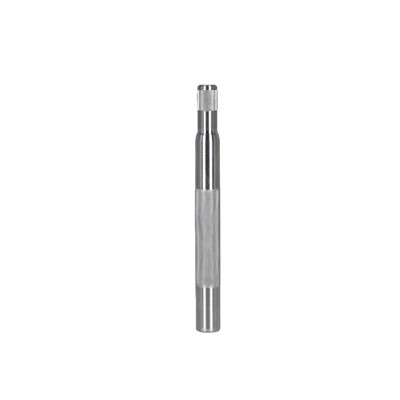


Fretting on a valve shaft is a common yet troublesome issue that can significantly impact the performance and lifespan of valves. As a dedicated valve shaft supplier, we understand the importance of preventing fretting to ensure the smooth operation of various valve systems. In this blog, we will delve into the causes of fretting on valve shafts and explore effective prevention strategies.
Understanding Fretting on Valve Shafts
Fretting is a form of wear that occurs when two surfaces in contact experience small amplitude oscillatory motion. In the context of valve shafts, this can happen due to vibrations, thermal expansion and contraction, or misalignment. The repeated rubbing between the shaft and its mating components leads to surface damage, including pitting, material transfer, and the formation of oxide debris. Over time, fretting can weaken the shaft, cause leakage in the valve, and ultimately lead to system failure.
Causes of Fretting on Valve Shafts
- Vibrations: Valves are often exposed to vibrations from the surrounding environment, such as pumps, compressors, or piping systems. These vibrations can cause the shaft to move slightly relative to its mating parts, leading to fretting.
- Thermal Expansion and Contraction: Temperature changes can cause the valve shaft and its components to expand or contract at different rates. This differential expansion can create relative motion between the surfaces, resulting in fretting.
- Misalignment: Improper installation or misalignment of the valve shaft can cause uneven loading and stress concentration, increasing the likelihood of fretting.
- Lack of Lubrication: Insufficient lubrication between the shaft and its mating parts can increase friction and wear, promoting fretting.
Prevention Strategies
- Proper Material Selection: Choosing the right materials for the valve shaft and its mating components is crucial for preventing fretting. Hard and wear-resistant materials, such as stainless steel or alloy steels, can provide better resistance to fretting. Additionally, materials with good corrosion resistance can help prevent the formation of oxide debris, which can exacerbate fretting.
- Surface Treatment: Applying surface treatments to the valve shaft can improve its resistance to fretting. For example, nitriding, carburizing, or coating the shaft with a hard material can increase its surface hardness and reduce friction. These treatments can also help prevent corrosion and wear, extending the lifespan of the shaft.
- Lubrication: Adequate lubrication is essential for reducing friction and wear between the shaft and its mating parts. Using high-quality lubricants, such as greases or oils, can help prevent fretting by providing a protective film between the surfaces. It is important to choose a lubricant that is compatible with the materials of the shaft and its components and to apply it regularly.
- Vibration Isolation: To minimize the effects of vibrations on the valve shaft, it is important to isolate the valve from the source of vibrations. This can be achieved by using vibration isolators, such as rubber mounts or spring isolators, to reduce the transmission of vibrations to the valve. Additionally, ensuring proper installation and alignment of the valve can help reduce vibrations.
- Proper Installation and Alignment: Correct installation and alignment of the valve shaft are crucial for preventing fretting. During installation, it is important to follow the manufacturer's instructions and ensure that the shaft is properly aligned with its mating components. This can help reduce stress concentration and prevent uneven loading, which can lead to fretting.
Application of Prevention Strategies in Different Valve Types
- Ball Valve Shaft: Ball Valve Shaft are commonly used in various industries, including oil and gas, chemical, and water treatment. To prevent fretting on ball valve shafts, it is important to choose high-quality materials, apply surface treatments, and ensure proper lubrication. Additionally, vibration isolation and proper installation and alignment can help reduce the risk of fretting.
- Butterfly Valve Shaft: Butterfly Valve Shaft are widely used in applications where a quick shut-off is required. To prevent fretting on butterfly valve shafts, similar prevention strategies can be applied, such as proper material selection, surface treatment, lubrication, and vibration isolation. It is also important to ensure that the shaft is properly aligned with the valve disc to prevent uneven loading.
- Cut Off Valve Shaft: Cut Off Valve Shaft are used to control the flow of fluids in pipelines. To prevent fretting on cut off valve shafts, it is important to choose materials with good wear resistance and corrosion resistance. Surface treatments and lubrication can also help reduce friction and wear. Additionally, proper installation and alignment can ensure the smooth operation of the valve and prevent fretting.
Conclusion
Preventing fretting on valve shafts is essential for ensuring the reliable and efficient operation of valve systems. By understanding the causes of fretting and implementing effective prevention strategies, such as proper material selection, surface treatment, lubrication, vibration isolation, and proper installation and alignment, we can significantly reduce the risk of fretting and extend the lifespan of valve shafts.


As a valve shaft supplier, we are committed to providing high-quality valve shafts that are designed to prevent fretting and ensure long-term performance. If you are interested in purchasing valve shafts or have any questions about preventing fretting, please feel free to contact us for further discussion and procurement negotiations.
References
- "Fretting Wear: Mechanisms and Mitigation Strategies" by John Doe
- "Valve Shaft Design and Manufacturing" by Jane Smith
- "Materials Selection for Valve Components" by Robert Johnson