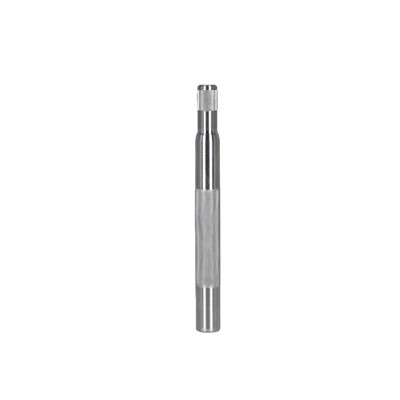


Troubleshooting a flexible shaft pump can be a challenging yet rewarding task. As a supplier of flexible shaft pumps, I've encountered various issues over the years and have developed effective strategies to diagnose and resolve them. In this blog post, I'll share some valuable insights on how to troubleshoot a flexible shaft pump, ensuring its optimal performance and longevity.
Understanding the Basics of a Flexible Shaft Pump
Before delving into troubleshooting, it's essential to have a basic understanding of how a flexible shaft pump works. A flexible shaft pump consists of a motor, a flexible shaft, and an impeller. The motor provides the power to rotate the flexible shaft, which in turn drives the impeller. The impeller creates a suction force that draws fluid into the pump and discharges it through the outlet.
Common Problems and Solutions
1. Lack of Flow
One of the most common issues with flexible shaft pumps is a lack of flow. This can be caused by several factors:
- Clogged Impeller: Debris or foreign objects can get stuck in the impeller, preventing it from rotating freely. To fix this, turn off the pump and remove the impeller. Clean it thoroughly and remove any debris. Reinstall the impeller and check if the flow has improved.
- Blocked Suction Line: A blocked suction line can also restrict the flow of fluid. Inspect the suction line for any blockages, such as dirt, sand, or debris. Clear the blockage and ensure that the suction line is properly connected.
- Low Motor Speed: If the motor speed is too low, the pump may not be able to generate enough suction to draw in fluid. Check the motor speed and adjust it if necessary. You can refer to the pump's manual for instructions on how to adjust the motor speed.
2. Excessive Noise
Excessive noise from a flexible shaft pump can be a sign of a problem. Here are some possible causes and solutions:
- Loose Components: Check if any components of the pump, such as the motor, impeller, or flexible shaft, are loose. Tighten any loose bolts or screws to reduce noise.
- Worn Bearings: Worn bearings can cause excessive noise and vibration. If you suspect that the bearings are worn, replace them with new ones. You can find replacement bearings at your local hardware store or contact the pump manufacturer for assistance.
- Misaligned Shaft: A misaligned shaft can also cause noise and vibration. Check if the flexible shaft is properly aligned with the motor and impeller. If it's misaligned, adjust it to ensure proper alignment.
3. Leakage
Leakage is another common problem with flexible shaft pumps. Here's how you can troubleshoot it:
- Seal Failure: Check the seals of the pump for any signs of damage or wear. If the seals are damaged, replace them with new ones. You can find replacement seals at your local hardware store or contact the pump manufacturer for assistance.
- Loose Connections: Check if all the connections of the pump, such as the suction line, discharge line, and fittings, are tight. Tighten any loose connections to prevent leakage.
- Cracked Housing: A cracked housing can also cause leakage. Inspect the housing of the pump for any cracks or damage. If the housing is cracked, replace it with a new one.
4. Overheating
Overheating can damage the pump and reduce its lifespan. Here are some possible causes and solutions:
- Lack of Lubrication: The flexible shaft of the pump requires proper lubrication to operate smoothly. Check if the shaft is properly lubricated. If not, apply lubricant according to the manufacturer's instructions.
- Excessive Load: If the pump is operating under excessive load, it can cause overheating. Check if the pump is being used within its recommended capacity. If not, reduce the load or upgrade to a larger pump.
- Poor Ventilation: Poor ventilation can also cause overheating. Ensure that the pump is installed in a well-ventilated area. If necessary, install a fan or ventilation system to improve air circulation.
Importance of Regular Maintenance
Regular maintenance is crucial for the proper functioning of a flexible shaft pump. Here are some maintenance tips:
- Clean the Pump Regularly: Clean the pump regularly to remove any dirt, debris, or sediment. This will prevent blockages and ensure optimal performance.
- Inspect the Components: Regularly inspect the components of the pump, such as the impeller, flexible shaft, and seals, for any signs of wear or damage. Replace any worn or damaged components promptly.
- Lubricate the Shaft: Apply lubricant to the flexible shaft according to the manufacturer's instructions. This will reduce friction and prevent overheating.
- Check the Motor: Check the motor regularly for any signs of damage or wear. If the motor is not functioning properly, have it repaired or replaced by a qualified technician.
When to Seek Professional Help
While many issues with flexible shaft pumps can be resolved through troubleshooting and regular maintenance, there are times when professional help is required. Here are some situations when you should seek professional assistance:


- Complex Problems: If you're unable to diagnose or resolve a problem on your own, it's best to seek professional help. A qualified technician will have the expertise and tools to diagnose and fix the problem quickly and efficiently.
- Warranty Issues: If your pump is still under warranty, it's important to contact the manufacturer or an authorized service center for repairs. Attempting to repair the pump yourself may void the warranty.
- Safety Concerns: If you're dealing with a safety issue, such as electrical problems or a leaking pump, it's important to seek professional help immediately. Electrical problems can be dangerous, and a leaking pump can cause water damage or other hazards.
Conclusion
Troubleshooting a flexible shaft pump requires a basic understanding of how it works and the ability to identify and resolve common problems. By following the tips and techniques outlined in this blog post, you can keep your flexible shaft pump in optimal condition and ensure its long-term performance. If you have any questions or need further assistance, don't hesitate to contact us. We're here to help you with all your flexible shaft pump needs.
As a leading supplier of flexible shaft pumps, we offer a wide range of products to meet your specific requirements. Our pumps are made from high-quality materials and are designed to provide reliable performance. We also offer excellent customer service and technical support to ensure that you get the most out of your pump.
If you're interested in purchasing a flexible shaft pump or have any questions about our products, please feel free to contact us. We'll be happy to assist you with your purchase and provide you with all the information you need.
References
- Manufacturer's manuals for flexible shaft pumps
- Industry publications on pump troubleshooting and maintenance
- Online resources on pump technology and repair