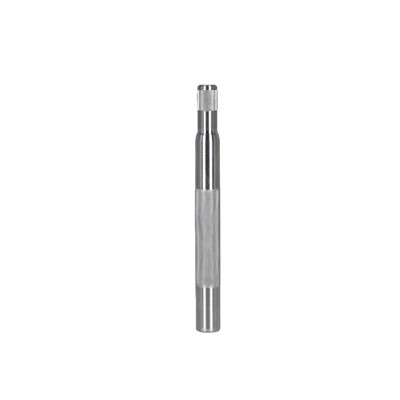


When it comes to the manufacturing of machined parts, one of the most frequently asked questions by our clients is about the lead time. As a seasoned machined part supplier, I understand the importance of this aspect in the manufacturing process. In this blog, I will delve into the factors that influence the lead time for manufacturing machined parts and provide insights to help you better understand the process.
Understanding Lead Time in Machined Part Manufacturing
Lead time in the context of machined part manufacturing refers to the total time it takes from the moment an order is placed to the moment the finished parts are delivered. This encompasses various stages, including design, material procurement, machining, quality control, and shipping. Each stage has its own set of factors that can affect the overall lead time.
Factors Affecting Lead Time
Design Complexity
The complexity of the part design is a significant factor in determining the lead time. Parts with intricate geometries, tight tolerances, or special features require more time for design and programming. For instance, a Flat Belt Pulley with a unique profile or a Shaft Sleeves with precise internal dimensions will take longer to design and manufacture compared to a simple, standard part.
Material Availability
The availability of raw materials is another crucial factor. Some materials may be readily available in the market, while others may require special ordering or have long lead times from suppliers. For example, if a specific grade of steel or a rare alloy is needed for a Pulley, it may take longer to source the material, which in turn extends the overall lead time.
Machining Processes
The type of machining processes required for the part also impacts the lead time. Processes such as turning, milling, drilling, and grinding have different cycle times, depending on the complexity of the operation. Additionally, the number of operations and the sequence in which they are performed can affect the overall time. For example, a part that requires multiple machining operations on different machines will take longer to manufacture than a part that can be completed in a single setup.


Production Volume
The quantity of parts ordered plays a significant role in determining the lead time. Larger production volumes generally require more time for setup, tooling, and production. However, once the setup is complete, the per - part production time may decrease. On the other hand, small - batch orders may have a shorter overall lead time but may be subject to higher per - part costs due to the setup time and tooling expenses.
Quality Control
Ensuring the quality of the machined parts is essential. Quality control inspections are conducted at various stages of the manufacturing process to detect any defects or deviations from the specifications. The time required for quality control depends on the complexity of the part and the inspection methods used. For high - precision parts, more extensive and time - consuming inspections may be necessary, which can add to the lead time.
Shipping and Logistics
The final stage of the process is shipping the finished parts to the customer. The shipping time depends on the distance between the manufacturing facility and the customer's location, as well as the shipping method chosen. Expedited shipping options are available but may come at a higher cost.
Strategies to Reduce Lead Time
Early Planning and Communication
Early communication with the supplier is crucial. By providing detailed specifications and requirements upfront, the supplier can start the design and material procurement process earlier. This allows for better planning and can help reduce the overall lead time.
Standardization
Standardizing the part design can significantly reduce the lead time. Using standard components and geometries can simplify the design process and make it easier to source materials. For example, choosing a standard Flat Belt Pulley from a catalog rather than a custom - designed one can save time.
Optimized Production Scheduling
Efficient production scheduling is essential to minimize idle time and maximize productivity. By analyzing the production capacity and workload, the supplier can allocate resources effectively and ensure that the parts are manufactured in the shortest possible time.
Continuous Improvement
Implementing continuous improvement initiatives in the manufacturing process can lead to reduced lead times over time. This can involve process optimization, the use of advanced machining technologies, and employee training to improve efficiency.
Real - World Examples
Let's take a look at a couple of real - world examples to illustrate the impact of these factors on lead time.
Example 1: A customer orders a batch of 100 Shaft Sleeves with standard dimensions and a common material. The design is straightforward, and the material is readily available. The machining process is relatively simple, and the quality control inspections are standard. In this case, the lead time may be as short as two weeks.
Example 2: Another customer orders a custom - designed Pulley with a complex profile and a special alloy material. The design requires extensive programming, and the material needs to be specially ordered. The machining process involves multiple operations on different machines, and the quality control inspections are more rigorous. In this case, the lead time could be six to eight weeks or even longer.
Conclusion
Understanding the lead time for manufacturing machined parts is essential for both suppliers and customers. By considering the factors that influence lead time, such as design complexity, material availability, machining processes, production volume, quality control, and shipping, customers can make more informed decisions and plan their projects accordingly. As a machined part supplier, we are committed to providing our customers with accurate lead time estimates and working closely with them to minimize the time from order to delivery.
If you are in need of machined parts and would like to discuss your requirements, we encourage you to reach out to us for a detailed consultation. We have the expertise and resources to meet your needs and deliver high - quality parts within a reasonable lead time.
References
- "Manufacturing Engineering and Technology" by Serope Kalpakjian and Steven R. Schmid
- "Production and Operations Management: An Integrated Approach" by Jay Heizer and Barry Render