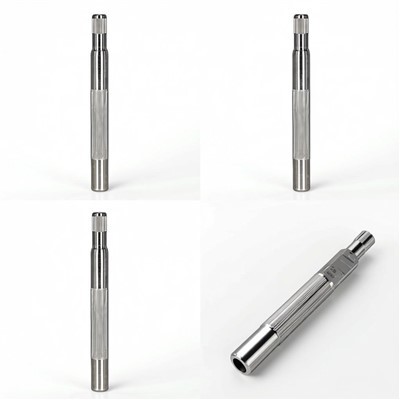


Matching a spare pump shaft with the pump bearings is a crucial task that demands precision and a comprehensive understanding of the pump system. As a spare pump shaft supplier, I've witnessed firsthand the challenges and importance of this process. In this blog, I'll share insights on how to effectively match a spare pump shaft with the pump bearings, ensuring optimal performance and longevity of the pump.


Understanding the Basics of Pump Shafts and Bearings
Before delving into the matching process, it's essential to understand the basic components involved. A pump shaft is a critical part of the pump system, responsible for transmitting power from the motor to the impeller. It must be strong enough to withstand the forces generated during operation and have the right dimensions to fit precisely within the pump housing.
Pump bearings, on the other hand, support the shaft and allow it to rotate smoothly. They reduce friction and wear, ensuring that the shaft can operate efficiently. There are different types of bearings, such as ball bearings, roller bearings, and sleeve bearings, each with its own characteristics and applications.
Factors to Consider When Matching a Spare Pump Shaft with Bearings
1. Shaft Dimensions
The first step in matching a spare pump shaft with the bearings is to ensure that the shaft has the correct dimensions. This includes the diameter, length, and any keyways or splines. The diameter of the shaft must match the inner diameter of the bearings precisely. A shaft that is too large or too small can cause excessive wear on the bearings, leading to premature failure.
2. Bearing Type
As mentioned earlier, there are different types of bearings, and the choice of bearing depends on the specific requirements of the pump. For example, ball bearings are suitable for high-speed applications with relatively light loads, while roller bearings can handle heavier loads. Sleeve bearings are often used in applications where low noise and smooth operation are required.
3. Load Capacity
The load capacity of the bearings is another important factor to consider. The bearings must be able to support the weight of the shaft and the impeller, as well as any additional loads generated during operation. It's crucial to calculate the maximum load that the bearings will be subjected to and choose bearings with a sufficient load capacity.
4. Speed and RPM
The speed at which the pump operates also affects the choice of bearings. High-speed pumps require bearings that can handle the centrifugal forces generated at high RPMs. Bearings with a high-speed rating should be selected to ensure reliable operation.
5. Lubrication
Proper lubrication is essential for the smooth operation of the bearings. The type of lubricant used depends on the bearing type and the operating conditions. Some bearings require grease lubrication, while others may require oil lubrication. It's important to follow the manufacturer's recommendations for lubrication to ensure optimal performance.
The Matching Process
1. Gather Information
The first step in the matching process is to gather as much information as possible about the pump and its existing components. This includes the pump model, the type of bearings currently in use, and the operating conditions. If possible, obtain the technical specifications of the pump and the bearings from the manufacturer.
2. Measure the Shaft
Once you have the necessary information, measure the dimensions of the existing shaft. Use a caliper or a micrometer to measure the diameter, length, and any keyways or splines. Make sure to take accurate measurements to ensure a proper fit.
3. Select the Bearings
Based on the information gathered and the measurements taken, select the appropriate bearings for the spare pump shaft. Consider the factors mentioned earlier, such as bearing type, load capacity, speed, and lubrication requirements. You can consult the bearing manufacturer's catalog or seek advice from a bearing specialist to make the right choice.
4. Check the Fit
Before installing the new shaft and bearings, check the fit between the shaft and the bearings. The shaft should fit snugly into the bearings without any play or excessive tightness. If necessary, make any adjustments to the shaft or the bearings to ensure a proper fit.
5. Install the Shaft and Bearings
Once the fit has been checked, install the new shaft and bearings in the pump. Follow the manufacturer's instructions for installation, and make sure to use the correct tools and techniques. Proper installation is crucial for the reliable operation of the pump.
Common Challenges and Solutions
1. Misalignment
One of the most common challenges in matching a spare pump shaft with the bearings is misalignment. Misalignment can cause excessive wear on the bearings, leading to premature failure. To prevent misalignment, make sure to align the shaft and the bearings properly during installation. Use alignment tools, such as laser alignment systems, to ensure accurate alignment.
2. Improper Lubrication
Improper lubrication can also cause problems with the bearings. If the bearings are not lubricated properly, they can overheat and wear out quickly. Make sure to use the correct type of lubricant and follow the manufacturer's recommendations for lubrication intervals.
3. Contamination
Contamination can also affect the performance of the bearings. Dust, dirt, and other contaminants can enter the bearings and cause damage. To prevent contamination, make sure to keep the pump and its components clean. Use seals and shields to protect the bearings from contaminants.
Conclusion
Matching a spare pump shaft with the pump bearings is a complex process that requires careful consideration of several factors. By understanding the basics of pump shafts and bearings, considering the factors mentioned above, and following the proper matching process, you can ensure that your pump operates efficiently and reliably.
If you're in the market for a spare pump shaft, we offer a wide range of high-quality Fire Pump Shaft, Hydraulic Pump Spline Shaft, and Shaft Oil Pump. Our team of experts can help you select the right shaft and bearings for your specific application. Contact us today to discuss your requirements and start the procurement process.
References
- "Pump Handbook" by Igor J. Karassik et al.
- "Mechanical Engineering Design" by Joseph E. Shigley and Charles R. Mischke.
- Manufacturer's technical specifications for pumps and bearings.