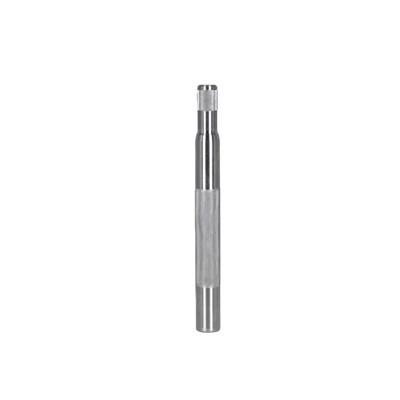


As a supplier of Lineshaft Turbine Pumps, I understand the importance of ensuring these pumps operate at their optimal performance. Lineshaft turbine pumps are widely used in various industries, including water supply, irrigation, and industrial processes. However, like any mechanical equipment, they may experience performance issues over time. In this blog, I will share some practical tips on how to adjust the performance of a lineshaft turbine pump.
Understanding the Basics of Lineshaft Turbine Pumps
Before delving into performance adjustment, it's essential to have a basic understanding of how lineshaft turbine pumps work. These pumps consist of a motor, a lineshaft, and a pump bowl assembly. The motor drives the lineshaft, which in turn rotates the impellers inside the pump bowl. As the impellers spin, they create a centrifugal force that draws water into the pump and pushes it up through the discharge pipe.
The performance of a lineshaft turbine pump is typically measured in terms of flow rate, head, and efficiency. Flow rate refers to the volume of water the pump can deliver per unit of time, usually measured in gallons per minute (GPM) or cubic meters per hour (m³/h). Head is the height to which the pump can lift the water, measured in feet or meters. Efficiency is the ratio of the useful work done by the pump to the energy input, expressed as a percentage.
Factors Affecting Pump Performance
Several factors can affect the performance of a lineshaft turbine pump. These include:


- Impeller Design: The design of the impeller plays a crucial role in determining the pump's flow rate and head. Different impeller designs are suitable for different applications, and choosing the right impeller is essential for optimal performance.
- Motor Speed: The speed of the motor directly affects the pump's performance. Increasing the motor speed can increase the flow rate and head, but it also increases the power consumption.
- System Resistance: The resistance of the piping system, including valves, fittings, and pipe length, can affect the pump's performance. High system resistance can reduce the flow rate and increase the head, leading to decreased efficiency.
- Fluid Properties: The properties of the fluid being pumped, such as viscosity, density, and temperature, can also affect the pump's performance. For example, pumping a viscous fluid requires more energy than pumping a less viscous fluid.
Adjusting Pump Performance
Now that we understand the factors affecting pump performance, let's discuss some ways to adjust the performance of a lineshaft turbine pump.
1. Impeller Selection and Modification
- Choose the Right Impeller: Selecting the right impeller for your application is crucial. Consider the required flow rate, head, and fluid properties when choosing an impeller. You can consult the pump manufacturer's catalog or a pump specialist to determine the most suitable impeller for your needs.
- Trim the Impeller: If the pump is delivering more flow or head than required, you can trim the impeller to reduce its diameter. Trimming the impeller reduces the pump's flow rate and head, which can improve efficiency and reduce power consumption. However, it's important to note that impeller trimming should be done by a qualified technician to ensure proper performance.
2. Motor Speed Adjustment
- Variable Frequency Drives (VFDs): Installing a VFD allows you to adjust the motor speed based on the required flow rate and head. VFDs can significantly improve pump efficiency by reducing the motor speed when the demand is low, thereby saving energy.
- Pole Changing Motors: Some motors are designed with multiple poles, allowing you to change the motor speed by switching between different pole configurations. This can be a cost-effective way to adjust the pump's performance without the need for a VFD.
3. System Resistance Reduction
- Pipe Sizing: Ensure that the piping system is properly sized to minimize resistance. Using larger diameter pipes can reduce friction losses and improve the pump's performance.
- Valve Selection and Operation: Choose valves that are appropriate for the application and ensure they are properly adjusted. Avoid using valves that are too small or too large, as this can increase system resistance.
- Pipe Layout: Optimize the pipe layout to minimize bends, elbows, and other fittings that can increase resistance. A straight and smooth pipe layout can reduce friction losses and improve the pump's performance.
4. Fluid Property Considerations
- Viscosity: If the fluid being pumped is viscous, consider using a pump designed for high-viscosity fluids. You may also need to adjust the pump's speed or impeller design to accommodate the increased viscosity.
- Temperature: High temperatures can affect the fluid's viscosity and density, which can in turn affect the pump's performance. Ensure that the pump is designed to handle the temperature range of the fluid being pumped.
Importance of Regular Maintenance
In addition to adjusting the pump's performance, regular maintenance is essential to ensure the long-term reliability and efficiency of the lineshaft turbine pump. Here are some maintenance tips:
- Inspect the Pump Regularly: Check the pump for any signs of wear, damage, or leaks. Inspect the impellers, bearings, seals, and other components for proper operation.
- Lubricate the Bearings: Proper lubrication is essential for the smooth operation of the pump. Follow the manufacturer's recommendations for lubrication intervals and use the appropriate lubricant.
- Clean the Pump: Regularly clean the pump to remove any debris or sediment that may accumulate inside the pump. This can prevent clogging and improve the pump's performance.
- Test the Pump: Periodically test the pump to ensure it is operating at its optimal performance. This can include measuring the flow rate, head, and power consumption.
Conclusion
Adjusting the performance of a lineshaft turbine pump requires a thorough understanding of the pump's operation and the factors that affect its performance. By selecting the right impeller, adjusting the motor speed, reducing system resistance, and considering fluid properties, you can optimize the pump's performance and improve its efficiency. Regular maintenance is also crucial to ensure the long-term reliability and performance of the pump.
If you are in the market for a Lineshaft Turbine Pump or need assistance with pump performance adjustment, please feel free to [contact us for procurement and further discussions]. We are a leading supplier of Lineshaft Turbine Pumps and have the expertise and experience to meet your needs.
References
- Pump Handbook, by Igor J. Karassik, Joseph P. Messina, Paul Cooper, and Charles C. Heald
- Fluid Mechanics, by Frank M. White
- Pump Systems Matter, a resource provided by the Hydraulic Institute