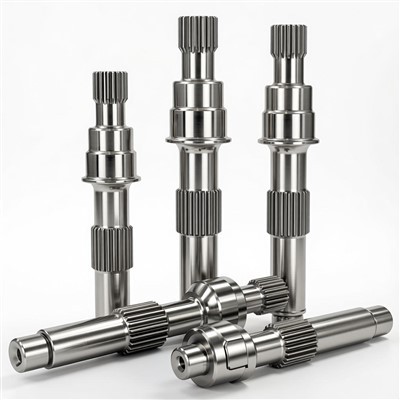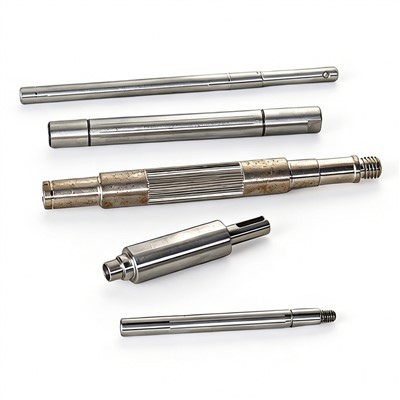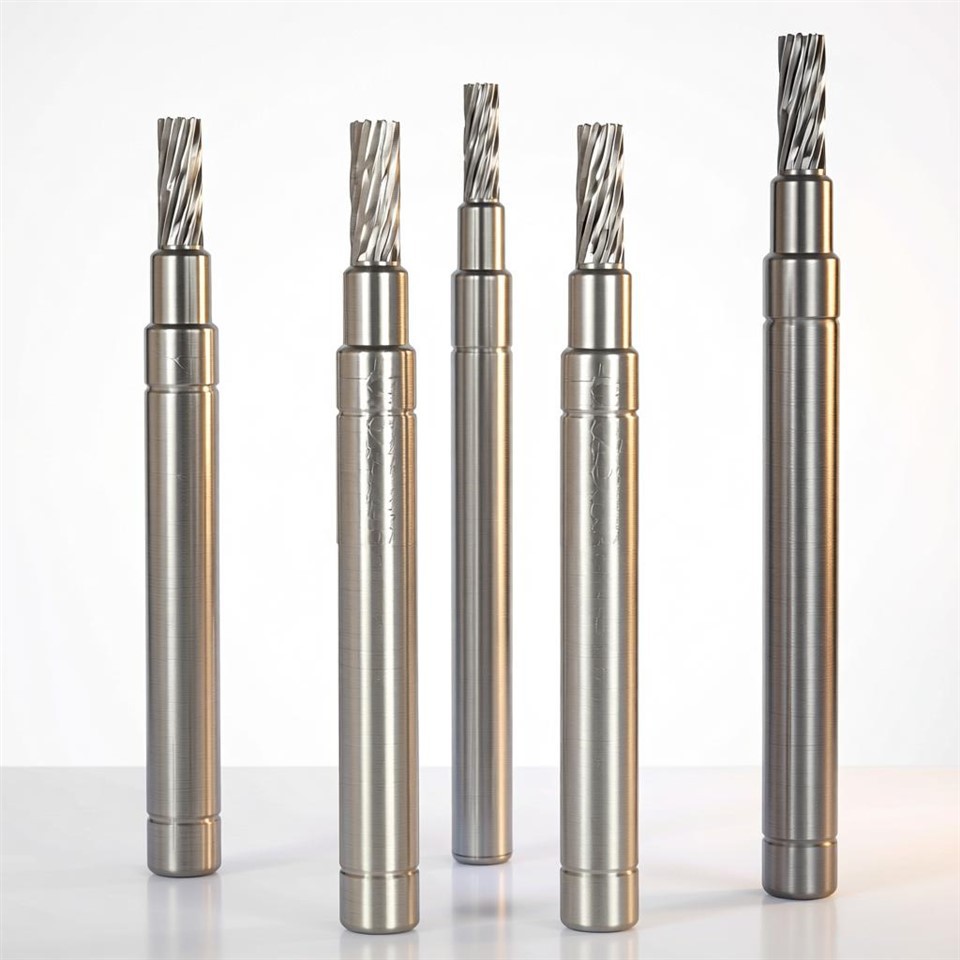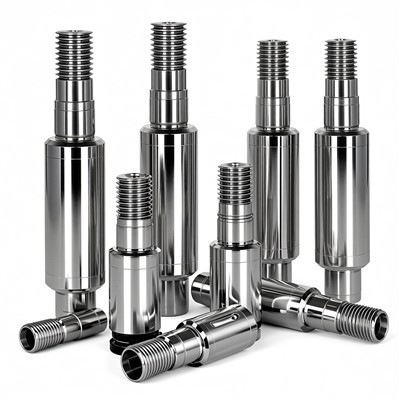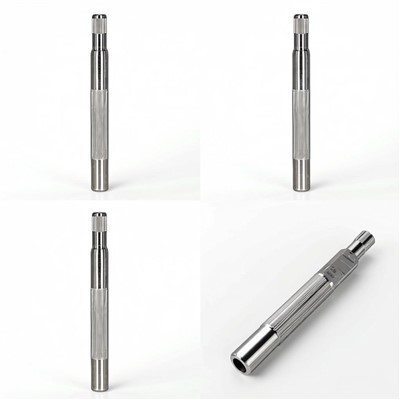

New energy industry demand has become the core growth engine for high-end shaft products. Electric drive systems of new energy vehicles, wind power generation equipment, and high-voltage motor equipment put forward ultra-high requirements for shaft precision, wear resistance, and fatigue resistance. The global high-voltage motor shaft market is projected to grow at a CAGR of 5.2% from 2026 to 2033, with the market size expected to surge from USD 1.2 billion in 2024 to USD 1.8 billion by 2033 . Unlike traditional industrial shafts, new energy specialized shafts feature tighter production tolerances, more stable bending performance, and stronger environmental adaptability, effectively adapting to high-frequency and high-load operating scenarios.
Intelligent manufacturing and digital monitoring have become key industry development highlights. Leading global mining and mechanical equipment enterprises have begun to apply digital twin technology to shaft structural monitoring and operation maintenance. The digital twin system realizes real-time monitoring of shaft structural status, effectively reducing equipment failure risks, improving production continuity, and lowering manual maintenance costs, which has become a new standard for high-end shaft equipment operation and management . Meanwhile, customized shaft supporting accessories have achieved technological breakthroughs. New customizable rigid couplings with dual metric and imperial diameter specifications have solved the long-standing compatibility problem of non-standard shaft models, greatly improving the versatility and assembly efficiency of mechanical shaft systems .
Industry insiders pointed out that in the second half of 2026, the global shaft industry will further eliminate low-precision and backward production capacity. High-value-added products such as new energy vehicle drive shafts, wind power main shafts, and intelligent equipment precision shafts will continue to dominate market growth. Enterprises with independent R&D capabilities, intelligent production systems, and strict quality control systems will gain more competitive advantages in the global market.