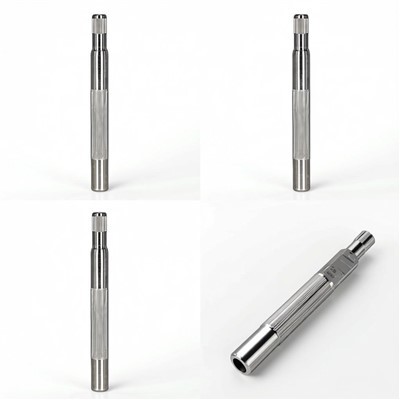

Core Materials of Water Pump Shafts
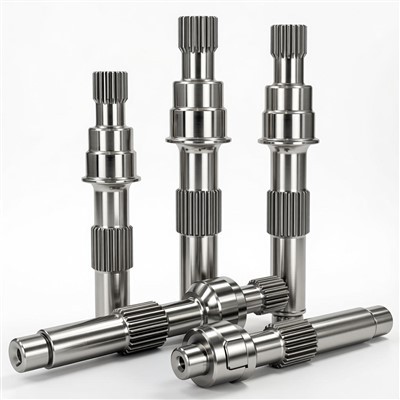
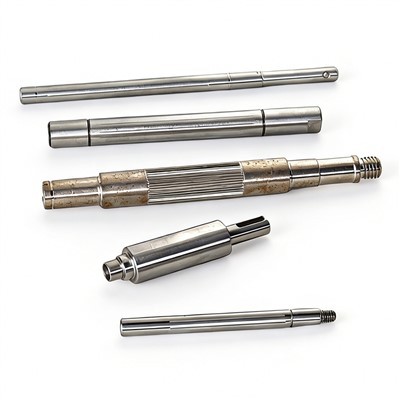
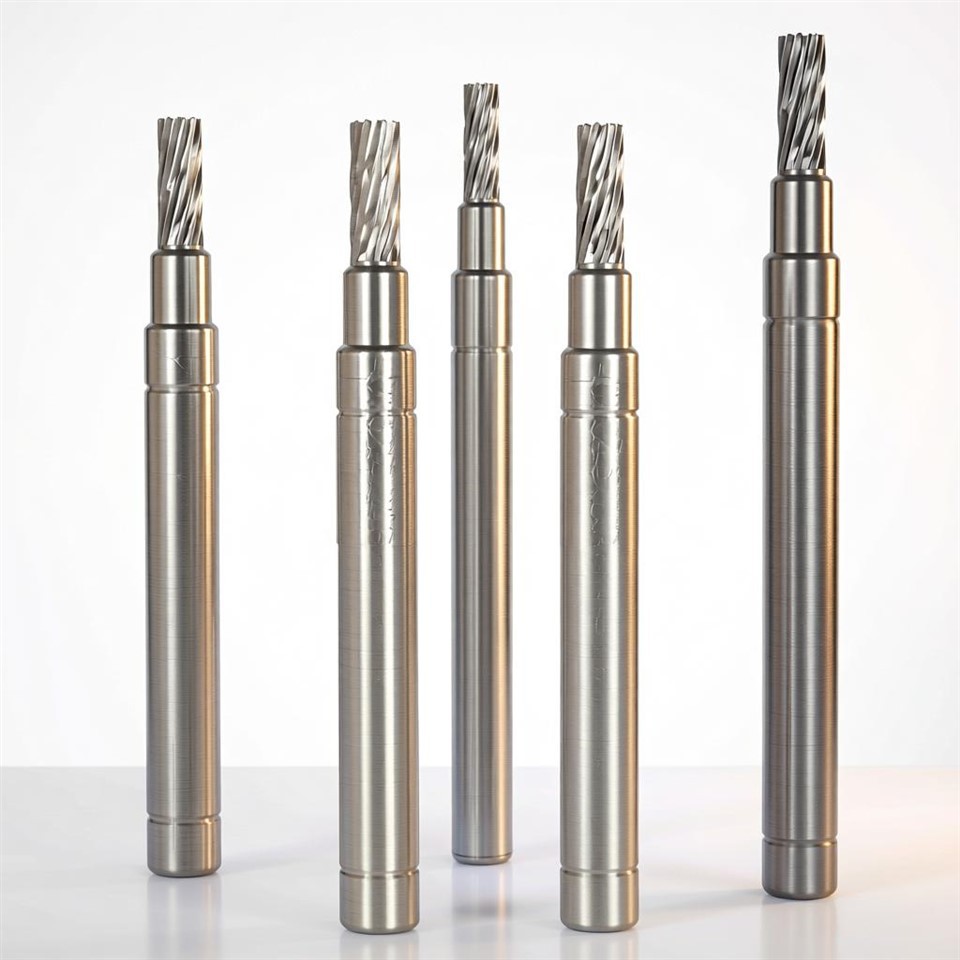
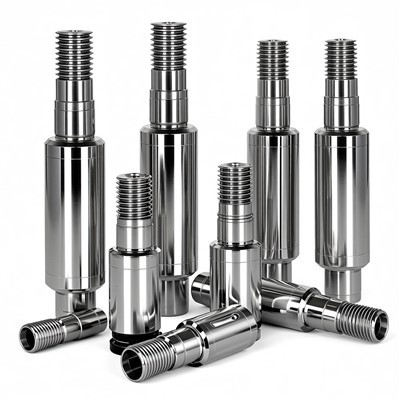
The water pump shaft, as the "backbone" of the water pump, has its performance and lifespan directly affected by its material. Common materials include stainless steel, carbon steel, and ceramics. Stainless steel shafts offer strong corrosion resistance, making them suitable for seawater or chemical liquid transfer; carbon steel shafts have high strength and are suitable for high-load working environments; and ceramic shafts, due to their wear resistance and lightweight properties, perform exceptionally well in special applications.
Factors to Consider When Choosing Materials
When selecting water pump shaft materials, factors suchs as the working environment, fluid properties, and budget must be considered. For example, stainless steel is the ideal choice when transporting corrosive liquids; while in high-load, high-speed applications, the strength and durability of carbon steel are superior. Although ceramic shafts are more expensive, they perform excellently in scenarios requiring lightweight and wear resistance.
Future Trends in Material Innovation
With technological advancements, new composite materials and polymer materials are gradually entering the water pump shaft field. These materials combine multiple advantages, such as high strength, corrosion resistance, and lightweight properties, and are expected to become mainstream choices in the future. Simultaneously, advancements in surface treatment technology have also improved the performance of traditional materials, extending the lifespan of water pump shafts.